
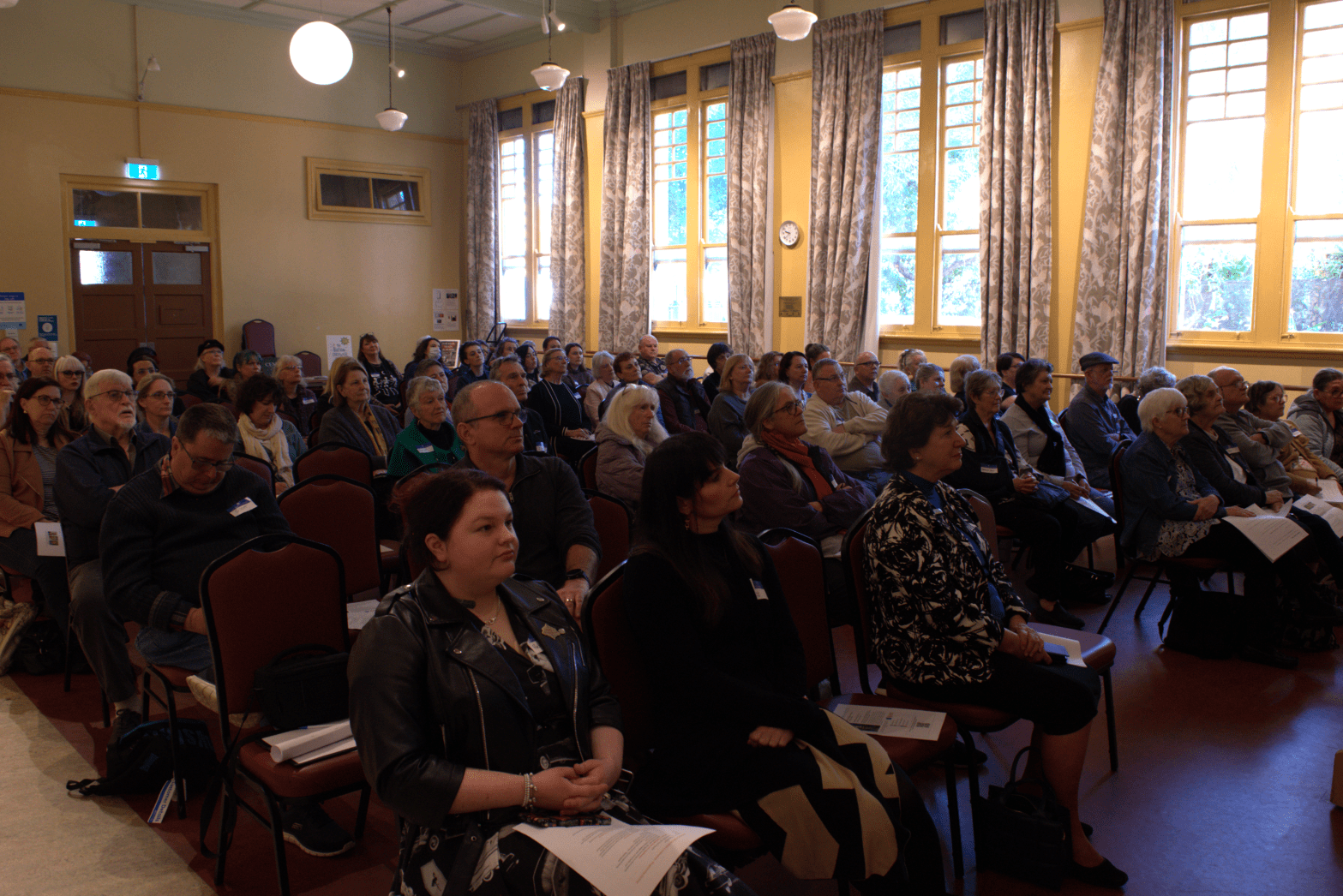
The ‘Stories in Stone’ cemetery heritage conference held in Brisbane on August 16 was a significant success, marking the second event organized. With a diverse range of passionate presenters, excellent logistics, and a strong attendance of about 90 people, the event showcased the importance of cemetery history. Plans for a third conference are underway.
Author Archives: Christopher Dawson
Scenes From a Cemetery Industry Conference
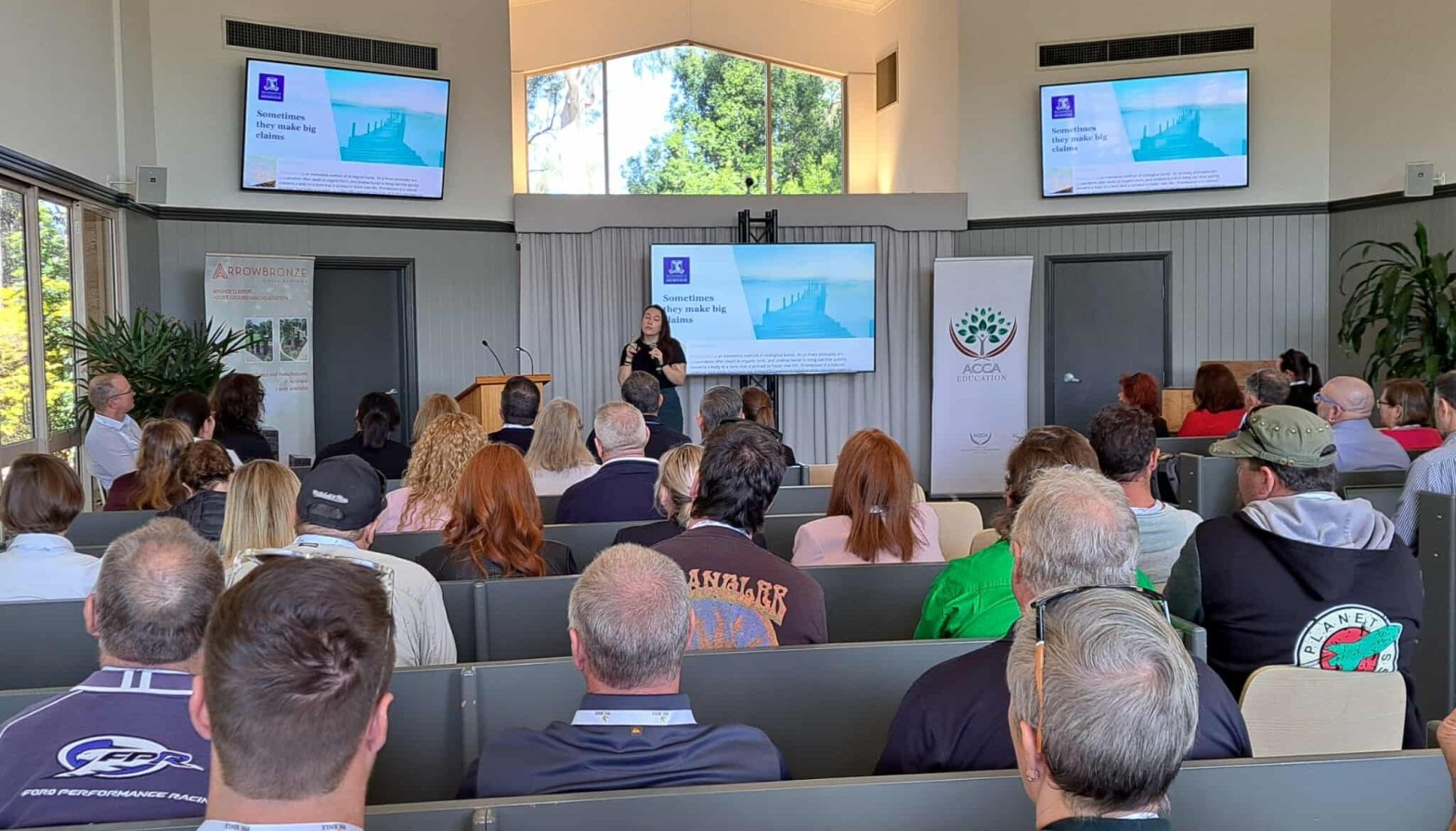
I was intrigued to attend the Mid-Year Conference of the Australian Cemeteries and Crematoria Association (ACCA) at Mt Gravatt Cemetery last Wednesday (16 July). I had originally been invited to speak and had accepted (to talk about cemetery ‘Friends’ groups) and then had to withdraw for various reasons but was still invited as a guestContinue reading “Scenes From a Cemetery Industry Conference”
A History of Queensland Bunyips (Part One): The 19th Century

‘There being so little variation regarding the bunyip in the accounts of these men, is it not reasonable to suppose that there is truth after all in what not a few only scoff and jeer at? The blacks to a man believe in the bunyip, and look horrified when it is mentioned.’ (Brisbane Courier, 12 December 1868)
Stories in Stone: A Conference for Taphophiles
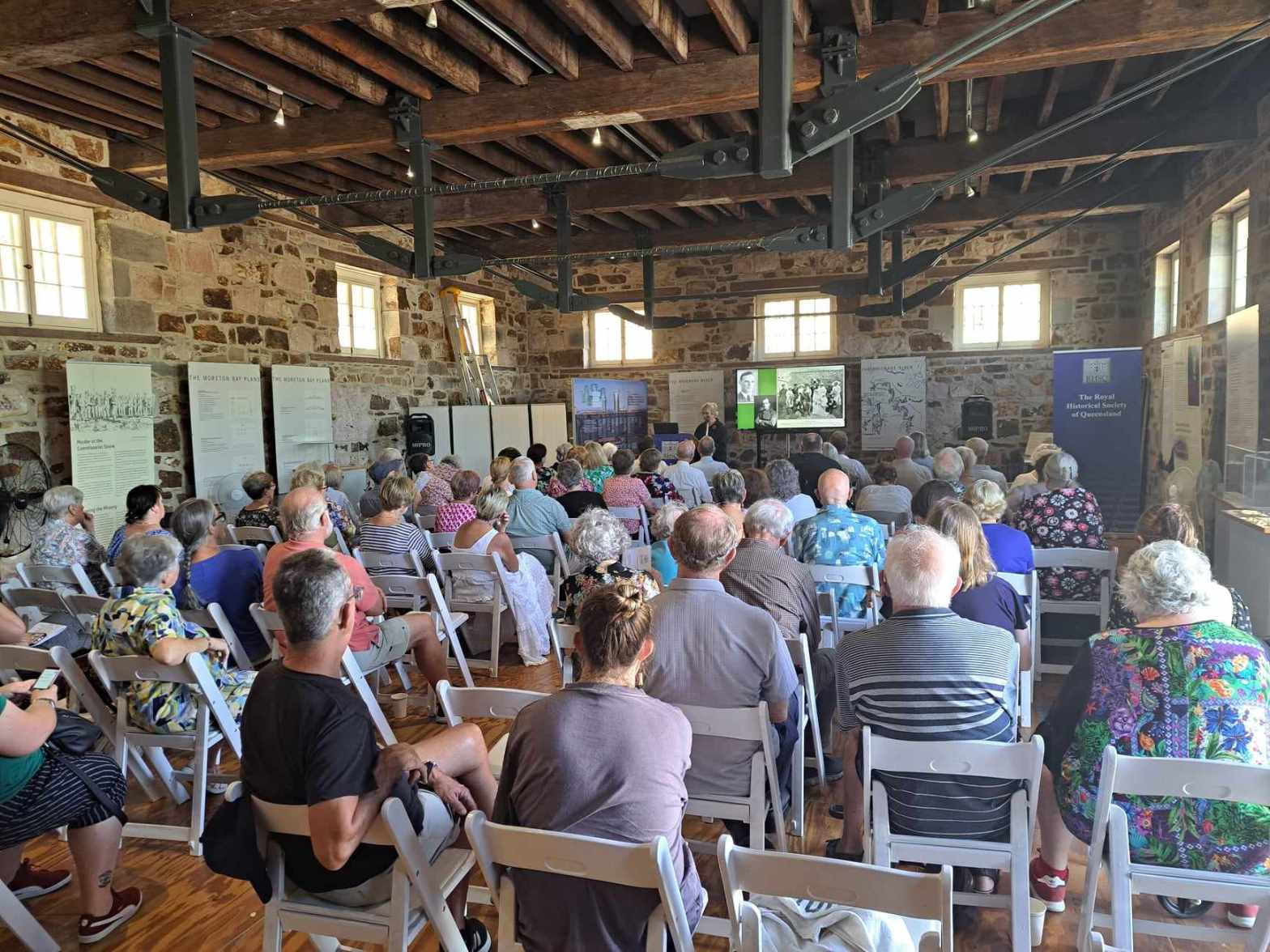
In late 2023 I co-presented a talk about South Brisbane Cemetery at a conference organised by the Annerley Stephens History Group. Through the day I sat and listened to a particularly enjoyable array of presentations, and I thought, ‘what if there was a conference like this, but all about cemeteries instead?’ Three or four monthsContinue reading “Stories in Stone: A Conference for Taphophiles”
The Everywhere Plant: Why is the Acanthus so Common in Funerary and Civic Architecture?

We’ve all seen them somewhere before, although most of us would not have given them a second thought. Weird, curly, slightly alien leaves carved in stone on the borders of headstones, atop classical columns, and adorning the edges of friezes. You don’t realise how ubiquitous the Acanthus mollis is in architecture until you start lookingContinue reading “The Everywhere Plant: Why is the Acanthus so Common in Funerary and Civic Architecture?”
How Many ‘North Brisbane Burial Grounds’ Were There?
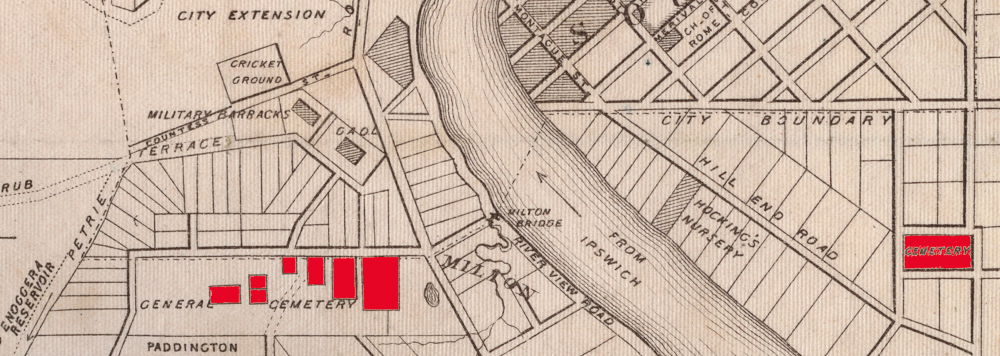
This article is a reminder of why the mindful use of historical placenames matters. The former convict settlement of Brisbane became a free town in 1842, and during the following year two burial ground reserves were set aside there. The one in South Brisbane was a rectangular five-acre block split into seven separate denominational sections,Continue reading “How Many ‘North Brisbane Burial Grounds’ Were There?”
Is This the Lady in Black… or Something Else?
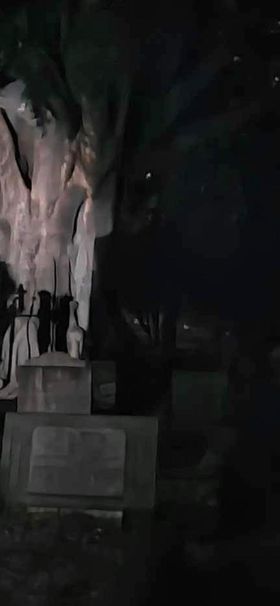
A closer look at a particularly striking image of a ‘ghost’. Is it what it seems?
The 50th Guardian Angels Day
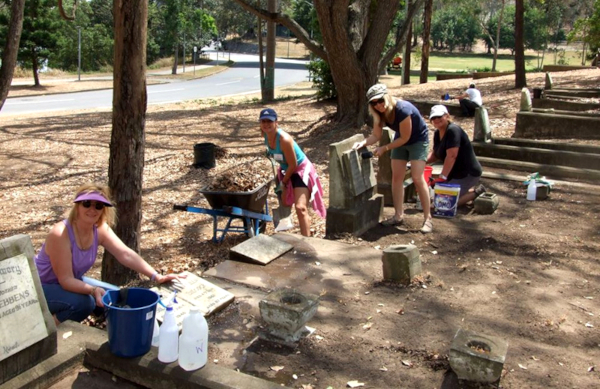
An article commemorating the 50th ‘Guardian Angels’ grave cleaning day at the South Brisbane Cemetery.
Colonial Columns: Woogaroo Lunatic Asylum (1869)

A vivid description of the ‘Woogaroo Lunatic Asylum’, written back in 1869.
A Boggo Road Great: John Banks, 1939-2014
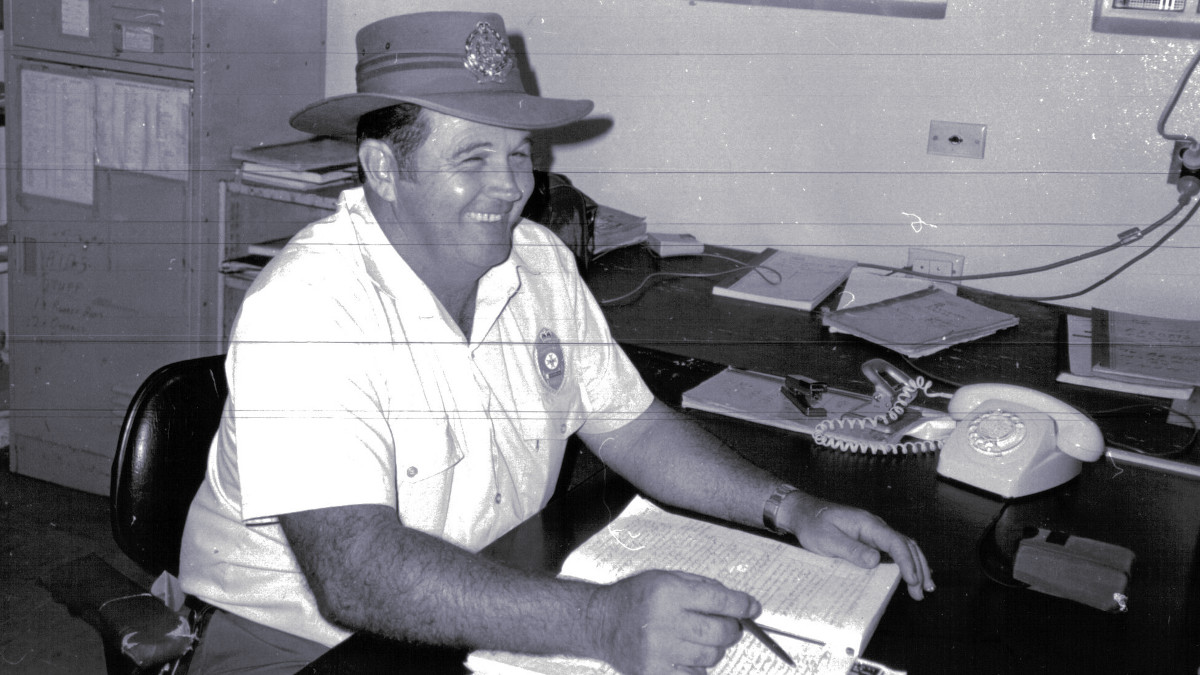
A look at the legacy of John Banks, one of the true champions of Boggo Road heritage.
 Christopher Dawson